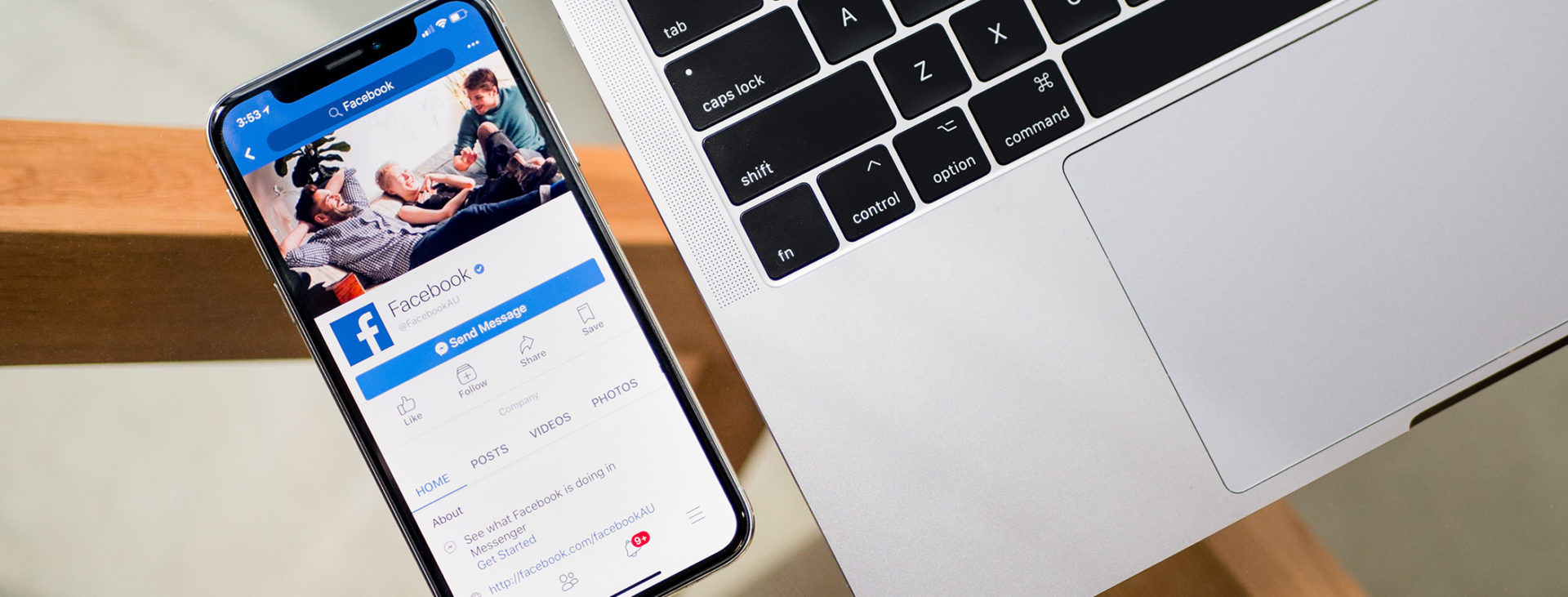
• Why The #DeleteFacebook Movement Was More Successful Than People Think

    Why The #DeleteFacebook Movement Was More Successful Than People Think

    When you first joined Facebook, were you concerned about your privacy?

    Before diving into the Facebook controversies of today, let’s take a look at where social networks began. Though not an exhaustive list of all the social media channels both then and now, the following timeline is to get us thinking about the evolution of social networks.

    LinkedIn, MySpace, Facebook, Twitter, Instagram, Pinterest and Google+ are arguably the most well-known and successful out of the bunch and all are still relevant today. Personally, the first channel I glommed onto was MySpace. Remember everyone’s first friend, Tom? Next up was Facebook, which launched in 2004 and has since racked up more than two billion users. The big buzz around Facebook in its early stages was that it was a social networking website that helped connect students, friends and family. People enjoyed writing on each other’s pages, sharing photos, updating their status and instant messaging. It was new and exciting, but it was not without privacy concerns.

    As a fledgling two-year-old in 2006, Facebook had its first group of unhappy customers when it introduced the News Feed feature. Believe it or not, not everyone wanted their business plastered on a homepage for all to see. Some people valued their privacy. This sparked approximately one million users to join News Feed protest groups. Sound familiar? Ultimately, the groups were ignored and the News Feed feature has become one of Facebook’s most successful features.

    The following year, the privacy controversy resurfaced, but this time as it related to advertising. If people thought having everyone see what they ate for breakfast on a News Feed was intrusive, then imagine how they felt when it was revealed that companies could track purchases made by Facebook users and tell their friends about those purchases without their consent. Are you starting to notice a trend?

    Privacy concerns have been front and center for Facebook since its inception, however many haven’t taken direct action until recently – cue the #DeleteFacebook movement.

    The #DeleteFacebook movement took flight after Cambridge Analytica, a political data firm hired by President Trump’s 2016 election campaign, gained access to private information of more than 50 million Facebook users. As a result, a handful of people allegedly deleted their accounts – celebrities among them – but with over two billion users, the small exodus had little effect. Reports claim that the movement’s backlash barely left a scratch on the company. Seems like another loss for Facebook protest groups, right? Not so fast.

    While the #DeleteFacebook movement didn’t tear down the empire, it may have been more successful than some realize. It opened the eyes of more people who may have otherwise been blindly using the social networking site. It cast an international spotlight on data privacy, revealed more about how personal information is being used and monetized, and exposed privacy vulnerabilities.

    With Facebook and other social networks here to stay, individuals and companies will need to remain informed about the increasing capabilities these technologies have in collecting, storing and sharing personal information. Data privacy is a major player on the world stage right now, and we all need to do some soul searching to figure out what these platforms mean to us.


  • Finding Your Corporate Social Voice

    Finding Your Corporate Social Voice

    I’m sure you’ve researched successful corporate social accounts, and discovered some fun ones. There are many round ups that include memorable content such as Taco Bell (@tacobell) and its sassy comebacks, clever retweets and witty banter. While the fast food chain has seen incredible success, as HuffPost says, “Whoever runs Taco Bell’s Twitter account deserves a raise,” the same approach wouldn’t work for a B2B enterprise technology company or a medical device manufacturer.

    This doesn’t mean your social accounts need to be boring. A B2B brand that immediately comes to mind when thinking of successful social voice is IBM (@IBM). The company keeps things conversational and creative with language and images, all while maintaining its serious position as a thought leader in enterprise technology. Social media has become an incredible marketing tool for every kind of business, allowing gained visibility and traction with potential clients and employees too. To implement a successful corporate social media program, first identify your social voice, from there strike the right balance in the tone of each social post, thereby elevating your brand to new levels.


    Finding your voice and sticking to it

    Something as simple as posting one semi-controversial tweet or using a hashtag incorrectly can damage your brand’s image. This is why it is important to determine your voice before you begin. When identifying your company’s social voice, think about what personality you’d like your brand to be remembered for. Is it professional? Or approachable, energetic, humorous? Deciding your voice can go a long way in determining how you craft your content. If you don’t decide up front and begin posting without a voice in mind, your social may seem disjointed, and in turn less human.

    To discover your company’s voice, ask the right questions. What makes your company different from your competitors? Highlight that. What is your company’s mission or values? Highlight them. What is the tone of past content your company has produced, e.g. a blog or ad? Utilize it. Who is this content for? Tailor to that audience. Are there other companies you’d like to align with? Emulate their social accounts without copying them. Your voice should be authentic and consistent with the goals of your program.

    From there, you can decide the appropriate tone to take by looking at your target audience, content and goal for each post, as well as the social channel.


    Who’s going to be using that hashtag you spent hours brainstorming?

    It’s important to identify your current audience, but also who you’d like to gain as followers. Strike a balance; you want your natural audience to get excited about the content that you’re sharing, but you also want to make sure you’re sharing the type of content that will attract new followers to help your brand grow and succeed. It’s important to regularly monitor any feedback, negative or positive, and adjust on a timely basis. If you’re professional and informative  thought leadership posts are receiving more engagement than your goofy, happy-hour staff pictures, adjust accordingly, all while keeping in mind that each type of post can perform significantly differently on different channels.

    As a rule of thumb, Facebook and Instagram tend to lean more toward employee engagement and lighter company culture and recruitment subjects. LinkedIn tends to be more thought leadership, professional content, and Twitter lies somewhere in between. While the content and tone may be different for all three, maintaining the same voice (personality!) across accounts is key for a cohesive brand story.


    Want to learn more about creating a successful social media program? Check us out here.

  • Quiz: What PR Program Fits Your Needs?

    Quiz: What PR Program Fits Your Needs?

    Finding the right public relations partner can be a daunting task. There are endless options in each market with different offerings and approaches. From small boutique shops to global agencies, it’s difficult to identify the right PR program for your organization and its goals. Are you looking for traditional media relations? What about social and SEO/SEM capabilities? PR agencies now more than ever need to offer the full gamut to meet communications goals. At Matter, we’re continually expanding our range of capabilities to elevate brands and make an impact that drives ROI. Answer the questions below to identify what PR program fits your needs.


    What size is your business?

    A. Startup / Small Business

    B. Mid-Size

    C. Large / Enterprise


    What type of industry do you operate in?

    A. B2B

    B. B2C

    C. H2H (i.e. Retail, Medical Private Practice, Nonprofit)


    How is your company funded?

    A. Private company / investors

    B. Public company

    C. Personal money / seed funding / donations


    What is the size of your customer base and are they willing to participate in PR?

    A. A few customers nationally willing to be a reference

    B. Many happy customers nationally/internationally willing to be a reference

    C. My company has regional penetration or is in beta stage


    How do you measure the success of PR?

    A. Increased brand or product awareness

    B. Increased relevancy around trends important to my industry / company

    C. Increased sales and revenue


    Have you worked with an agency before?

    A. No, this is my first time working with an agency

    B. Yes, I have worked with an agency but I am not currently engaged in a partnership

    C. Yes, I am currently working with an agency


    Are you looking for a long-term relationship with your agency?

    A. I see PR as an extension of my company, but I need help identifying the opportunities

    B. I am looking to have PR integrate with my full marketing communications program indefinitely

    C. I am only looking for support for a specific project/campaign


    What other marketing communications do you participate in? (i.e. advertising, SEO/SEM, email marketing, events, sponsorship)

    A. My company does not participate in other marketing communications or only has 1 integration

    B. My company is integrated with a full-scale marketing communications program

    C. We are currently focused on direct sales only to attract customers


    So, what does this all boil down to? Tally up your answers and find out below!


    Mostly A’s

    You’re perfect for Precision. Precision offers the same skillset and knowledge base as Matter, but at a scale and scope comfortable for your budget. Your team will tailor and prioritize your communications program so that it’s making the greatest impact for your business.


    Mostly B’s

    You’re ready for Matter’s full-scale brand elevation offering. At our core we’re media hounds and we’re ready to put our minds together to pursue creative, impactful campaigns for your company. By partnering with Matter you also have access to our creative and digital marketing services. We have it all in-house so that we can create a unified communications platform for you.


    Mostly C’s

    It might not be time for a full-fledged PR program, but Matter has an array of other services that your organization may benefit from as it continues to progress and grow, including:


    Let’s get to work! Drop us a line, here.

  • A Quick Guide to Effectively Using Influencers

    A Quick Guide to Effectively Using Influencers

    As many brands know, influencers are a necessary part of any consumer PR and digital marketing program and an effective way to amplify a product or services launch. However, the landscape has changed dramatically over the years and continues to shift on a regular basis.

    When influencers first came on the scene, many of the relationships could be nurtured on an organic basis. Free product sampling or access to a company and its executives were enough to garner posts and establish a partnership. But, while some organic influencer content still does happen, it’s the exception and not the rule.

    To best incorporate influencers into a launch strategy, it’s not only important to think about who to target but also what to spend. When budgeting, it’s imperative to set aside the right funds. That number can vary drastically depending on your goal and what mix of influencers you choose.

    The good news is: it’s not always expensive as one may think. The world of influencers is vast and the term covers many different kinds. Who may be best for your launch may not always be the most expensive. There are mega influencers and micro influencers and everything in between.

    It’s about finding the right influencers for your brand, the launch campaign theme and being able to adjust those influencers, and your content, based on real-time data.


    Here are a few tips to get started:

    • Know your goal: Understanding which channels your audience favors is crucial and will help determine what influencers you select. The content needs to be tailored to those channels and remain authentic to the influencer as well.
    • Consistency is key: Tying together content with a campaign theme and appropriate hashtags helps to create a surround sound effect consumers can remember. While the content can be more fluid and customized to each influencer, it also has to have an identifiable thread piecing it all together.
    • Content is king: Nail the messaging and nail the accompanying visuals. Consumers are inundated with ads and content every day – from their favorite brands and from their friends and networks. What makes your content different? How can it capture the eye and attention? Don’t overcomplicate the message or the idea.
    • Not all influencers are the same: Authenticity, follower numbers, reach and engagement rates are all good benchmarks but, you often don’t know until you’re live how the campaign will perform. Be open to tweaks and be able to move quickly.
    • ROI and measurement: As stated above, there are benchmarks to look at in vetting influencers, but also benchmarks for success. Whether it’s click through rates, sales or impressions, there are many data points to measure and not every campaign can be measured the same.
  • The Evolution of the Social Influencer

    The Evolution of the Social Influencer

    If you’ve ever opened the Instagram app, you’ve likely scrolled through countless sponsored posts and #ads. Whether it’s people you’re following or suggested content popping up on your feed, brands and products are in almost every photo. At times, it can even be hard to tell which images are paid promotion and what’s organic content. Everyone from your favorite D-list celebrities, fitness gurus, and maybe even someone you know personally has joined the community of “experts” promoting brands through their social media accounts—behold The Influencer.

    While it may seem like just a trend, sponsorships and brand ambassadors have actually undergone quite the evolution to get to the modern-day influencer. Plus, according to a recent PwC survey, 39% of people say that social networks provide the main inspiration for purchases; so whatever these influencers are posting is clearly working.

    So how did we get here?

    Good question.

    As consumers, we instinctively want to make informed decisions, so we look for advice to aid us in choosing the right option. Who we are looking to and how we receive that recommendation have changed over time to accommodate the changing landscape of information.

    Celebrities were the original “influencers.” Seeing someone in Hollywood donning a new brand turns heads without even trying, and to hear them personally advocate for a product is even more influential. Celebrity endorsements inspire people to emulate their favorite stars and hone in on the admiration we feel towards them. It is commonly thought that if someone of high status uses a product it signifies the quality.

    Celebrities are human too, though, and when it boils down to it, how much do they really know about fitness equipment, or vitamins, or teeth whitening treatments? So, we eventually turned to the experts for validation. The term “expert” is used loosely here as these influencers vary from certified professionals to someone with a specific interest in a topic such as travel, food, or fitness.

    Regardless of their working title, they are people with experience in a field and an opinion valued by a large following. Consumers take experts’ sponsorships more seriously because they have the knowledge to justify why they choose those products or services. It only makes sense to seek a personal trainer’s advice on fitness equipment, a nutritionist’s opinion on your daily Vitamin C intake, and who doesn’t want to hear 9 out of 10 dentists recommend that teeth whitener?

    Ultimately, admiration and expertise are impactful factors in making a smart buying decision, but what’s even more persuasive is advice from people we trust. When there is an important choice to make or a tricky situation we need help maneuvering, it’s our friends, family and those close to us that provide the advice we are most likely to act on. For this reason, the microinfluencer was born. Microinfluencers have a smaller, but reliable and dedicated following. Readers are able to ask questions and can expect a genuine and timely response. Though they may not reach as many people as experts or celebrities, they have major power in swaying readers’ decisions.

    So what does this mean for us?

    For public relations professionals, this evolution of the influencer is something that directly affects our day-to-day work. We are expected to be knowledgeable about this subject and to have a plan of attack for our clients. Blogger and influencer campaigns can be hugely successful for a brand if carried out correctly, and there are different ways to do so.

    One approach is a self-managed campaign; the PR pros manually run the activation from start to finish. You and your team will decide what influencers will partake, the theme of their posts, the length of the partnership, and will have far more control in the messaging and quality of their content. This type of campaign is precisely targeted to key demographics and often produces exceptional reader engagement. One of the biggest, if not THE biggest benefit from this kind of activation is the opportunity to connect with these influencers and build a relationship. Of course, we want solid content to present to our clients, but beyond that, public relations relies on connecting with people and finding new ways to reach our audiences.

    Fostering a working relationship with influencers can open doors for future opportunities and create an ally in someone who has perspective from both a customer and a media standpoint. While it does require more time and energy to execute a manual campaign on the PR side, the results can be convincing.

    The second option is to use an influencer marketing platform that will pair your brand with a group of bloggers or social influencers to push out content. The third-party typically handles all the logistics and communication with the influencers and will update you with batches of coverage. This method is helpful in reaching a large mass of people in a short amount of time with little effort required from you. It may also help you to rest easy knowing that the quality of influencers on these platforms is still pretty high.

    In my experience, I’ve even seen some of the bloggers I’ve worked with for a manual campaign pop up and write content for a platform activation for the same client, which was reassuring to see that these third-party influencer companies are doing their due diligence to find influencers that fit the brand.

    So which is better, you ask? Both…and neither… It really depends on your client and what your goals are for the campaign. Manual initiatives offer more control over all aspects of the activation and can be a good fit for more technical announcements or things that require a more thorough explanation, but they can also be very demanding and need to be kept well-organized.  

    Using an influencer platform can ensure viewership and help generate buzz during a lull in news. It all comes down to knowing your client needs and most importantly, adapting to the times and working with today’s influencers in the most effective way possible. Influencers have adapted to consumers, and now it is time for public relations professionals to adapt with influencers.

  • Employees vs. Influencers: Are They Really That Different?

    Employees vs. Influencers: Are They Really That Different?

    Leveraging social influencers is a common strategy to help boost brand awareness. Using their social platforms, influencers help spread the word about a particular product or brand campaign via photos, videos and personal anecdotes. As a result, brands reach a new audience in hopes to garner more brand fans.

    Though influencer programs are commonly associated with consumer clients, business to business (B2B) companies shouldn’t rule out the strategy. In fact, B2B companies would be surprised to learn that they need to look no further than their own employees to help catapult their brand in their respective industry.

    Employees as Brand Advocates

    Our B2B clients have employees who are widely known as thought leaders and innovators in the spaces they operate in. Through the many conferences and tradeshows they attend and speak at, executives are able to organically build their professional network and make connections with similar leaders. By meeting in a professional setting, the majority of the connections executives make via their personal social channels are probably similar to the connections the company is striving to reach on their corporate channels.

    However, with their busy schedules, it’s likely (and justifiably so) that the last thing on executives’ minds is their LinkedIn profile. Sure, they accept connection requests every so often, but are they sharing company news or industry trends? Businesses must view their employees’ social presence (or lack thereof) as an opportunity to grow brand awareness, and an excellent starting platform is LinkedIn.

    Leveraging LinkedIn to Increase Brand Awareness

    As of April 2017, LinkedIn now claims 500 million registered users, with two new members joining the site every second. While the platform used to be thought of as primarily a job recruitment network, it’s now more widely used amongst company leaders and executives to drive conversation with others in their respective industry around trends they’re seeing, new industry data or to share opinion pieces, just to name a few uses. As a company, it’s important to demonstrate to your employees how they can join the conversations and also start their own. By developing personal content and engaging with like-minded professionals on LinkedIn, your employees can amplify their profiles and help boost overall brand awareness.

    Before beginning content discussions, it’s important to make sure that executive profiles are streamlined and appeal to the correct audience. Particularly, the headline and summary need to be rich with keywords specific to their profession as they’re the first two sections LinkedIn members read. For the headline, instead of the executive’s current title, they should highlight key areas of interest and expertise to quickly catch the eye of potential new connections.

    Because LinkedIn works like a search engine, including SEO keywords in the headline also makes it easier for executives to be found in relevant searches. Then, their summary should provide a high-level overview of their unique specialties to help paint the picture of their successful career path. The summary can also highlight personal interests, especially if those interests happen to connect with their career of choice. For example, a Chief Marketing Officer might be inclined to share that they’re passionate about storytelling and digging into market research.

    Not every executive performs the same job or has the same interests in the industry, so setting personalized content objectives is important. This not only helps the executive reach connections on a more personal level, but with each executive generating different content, the company is also able to show off its wide range of skills. Content can range from sharing articles about the company to future-thinking industry articles, such as autonomous vehicle predictions or where artificial intelligence will be in twenty years, depending on their line of work.

    Additionally, executives have the option to create articles themselves around any topic that is of interest to them, rather than only sharing external links. These articles are similar to blog posts and appear on LinkedIn Pulse where others have the option to begin following that person to view future stories. Alongside posting on their own pages, it’s important for executives to make new connections – whether that’s with other people in the industry or with relevant LinkedIn groups. Of course, posting regular content and executing new relationships is time consuming, so there are platforms that can help guide your employees to post the most appropriate content for your brand.

    Employee Advocacy Platforms

    To ensure all employees can become brand advocates, there are tools that make it easier for employees to share content on an ongoing basis.For example, Bambu is an employee advocacy platform that businesses can instate for their employees to make it easier for them to amplify their brand’s reach across social networks. Bambu allows any employee with access to the platform to draft suggested posts for sharing across LinkedIn, Facebook and Twitter to then be shared by their colleagues.

    While Bambu gives employees the option to draft content, with other content readily available, it cuts out creation time and encourages employees to post more frequently. Other platforms, such as Sociabble and Trapit, offer similar services to help make brand advocacy a company-wide initiative.

    A Comprehensive Social Media Approach = Business Success

    Overall, initiating employees as brand advocates ends up benefiting the business as well as the employee. By providing social counsel, businesses have the opportunity to reach a wider audience through employees’ channels and employees may also grow their professional network and skillset.

    Keeping up with industry trends and maintaining a social presence is just as important for businesses as it is for their employees, and a cohesive business approach to utilizing social media can help everyone increase their awareness and become more engaged.

    Want to talk more social? Get in touch.

  • What’s New in the World of Social Media? November Recap

    What’s New in the World of Social Media? November Recap

    The world of social media is constantly evolving and marketers, business owners and even the daily Facebook user should be aware of the updates. Make sure you are subscribed to our blog to get the monthly news and updates on all things social media sent right to your inbox. Let’s see what happened this past month…


    The Return of…. Google+?

    The well-known search engine site is attempting to get back into the social media world with a new feature, ‘Google Posts’. Posts will allow ‘Google My Business’ users to share timely updates with Google users within the Search and Maps functions. According to Google, the posting feature gives you new ways to engage with your customers:

    • Share daily specials or current promotions that encourage new and existing customers to take advantage of your offers.
    • Promote events and tell customers about upcoming happenings at your location.
    • Showcase your top products and highlight new arrivals.
    • Choose one of the available options to connect with your customers directly from your Google listing: give them a one-click path to make a reservation, sign up for a newsletter, learn more about latest offers, or even buy a specific product from your website.


    Snapchat Misses Investors Expectations for Growth

    Snapchat’s Quarter 3 reports show that the company brought in $207 million revenue, up 62% YOY, but lost $443 million, which is nearly 4x the amount it lost last year in Q3. While they now have 178 million daily active users, a 17% increase from last year, this has been surpassed by both WhatsApp and Instagram Stories in size. Snapchat is planning a significant re-design to attract more users, which includes paying top content creators in the near future.


    126 Million Americans Saw Russian-Backed Facebook Ads Last Year

    This was the number revealed by Facebook general counsel Colin Stretch when he testified in front of Congress in early November. As the entire world has noted, that number is quite a bit more than the original figure of 10 million people that Facebook provided one month ago. A marketing director quoted by Social Times accurately sums it up by observing that this is a great case study for the power of Facebook Ads, just not the kind they have in mind. Moving forward, Facebook is testing a lengthier review process for ads that focus on hot-button topics, but given the number of ads that go out each day, that is going to be difficult.


    5 Ways to Get Creative with LinkedIn Video

    At the end of the summer, LinkedIn introduced LinkedIn video, a way for users for share videos with their network. These videos can be filmed with the app, or uploaded to the app after recording. After a few short months of the feature being available, users have started utilizing LinkedIn’s native video functionality in a variety of ways since. Adweek suggests tips on what to do to get the most out of LinkedIn video:

    1. Share what you are working on
    2. Share what is going on behind-the-scenes of your project
    3. Share interviews with people who are passionate about their work
    4. Share professionally relevant and authentic stories
    5. Share a preview of an event


    Pinterest President Steps Down

    The current president at Pinterest, Tim Kendall announced that he will be leaving Pinterest at the end of the year to start his own company within the healthcare industry. According to the Social Times, senior vice president for ads and commerce Jon Alferness will take his place. In a statement by Pinterest, “Jon Alferness, senior vp for ads and commerce, will now lead the world-class team driving our rapidly growing ads business. Our focus continues to be measurable and actionable results for our partners while giving Pinners relevant ideas to help them discover and do new things.”


    YouTube Stories?

    YouTube posted a blog at the end of November revealing that they will begin testing their own stories feature, ‘Reels.’ The post stated that, “Reels are YouTube’s spin on the popular “stories” format, but designed specifically for YouTube creators. We learned that you want the flexibility to create multiple Reels and have them not expire, so we’ll give you those options.” This new format will not be rolled out to everyone quite yet, but beta testing will begin with some users and then expand. This update was announced alongside improvements to video discoverability, optimizing of notifications and more.

  • What’s New in the World of Social Media? October Recap

    What’s New in the World of Social Media? October Recap

    Social platforms are constantly updating and changing, just take a look at the news from Facebook this past month. They seem to have stole the show this October with acquisitions, new features and even a way to order food. Learn more about Facebook and the changes to all of our other favorite social media platforms below.


    Facebook Debuts Alternative News Feed

    Facebook is officially rolling out an “alternative” news feed, which has a very similar feel to the Explore feed on Instagram. According to Adweek, those who try the Explore alternative (available via Facebook’s drop-down menu) will see a feed made up entirely of content from publishers—both pages followed and not followed by users. The pages will include popular articles, videos, and photos, automatically customized for each person based on how they use the platform.


    Instagram’s New Feature: Superzoom

    The name just about says it all. Superzoom allows users to zoom in on a single object within a video and create three-second cuts. When users log in and open their camera, they’ll see Superzoom next to Boomerang as an option under the record button, and tapping that button makes the camera automatically zoom in and record (with suspenseful music!). From there, users can message to their friends through Instagram direct or add to their Story. To learn more about Superzoom and some of the Halloween features that Instagram released in October, check out their blog.


    Facebook Acquires Teen-Focused TBH

    Facebook announced its acquisition of positivity-focused polling startup TBH (To Be Honest) and will allow it to operate somewhat independently with its own brand. According to Social Times, TBH has scored 5 million downloads and 2.5 million daily active users in the past nine weeks with its app that lets people anonymously answer kind-hearted multiple-choice questions about friends who then receive the poll results as compliments. This app is primarily used by teenagers who are favoring Snapchat and Instagram over Facebook.


    Facebook Resumes on the Way?

    Facebook is currently testing a new resume feature that lets users share their work experience with their friends. This new feature allows users to expand on their work details within their profile. According to The Next Web, at this point, the few users who have this feature indicate that the detailed information will not readily show up on their public profiles. This could mean that Facebook is considering making the hidden resume details available exclusively to job hunters and talent seekers. Is this Facebook’s first move towards adding similar features to LinkedIn?


    Snapchat Debuts Context Cards

    This past month, Snapchat rolled out Context cards. Through this new feature, users can discover new places, scope out the hours of operation and book a ride, all from within the app. As Mashable astutely notes, the model Snapchat is chasing resembles WeChat, which is China’s most popular app. WeChat has been labeled as a holy grail in social media with Facebook and other platforms all attempting to follow in their footsteps.


    Dinner is Served on Facebook

    Never content with being the most used social network on the face of the Earth, Facebook is always adding new capabilities, and the latest is ordering food. By clicking on ‘Order Food’ in the ‘Explore’ section, users can coordinate pickup or delivery with a handful of delivery services and restaurants, all without ever leaving the platform. Here at Matter we have played around with it a bit, and the functionality is clean and easy to use, but that, of course, is no guarantee of success.


    Twitter Will Soon Allow Users to Save Tweets

    According to Adweek, a longstanding request from Twitter users has been the ability to save tweets in one place. Up to this point, Twitter hasn’t allowed users to save tweets in one central location, which led to people finding all sorts of creative ways to go about it, including favoriting tweets so they could find those tweets later, direct messaging articles to their own accounts and so on. Twitter is currently collecting input from from users and marketers through a hashtag, #SaveForLater, on how they best envision this being executed.


    LinkedIn Creating Tool to Gauge Talent at Companies

    LinkedIn is aiming to release two new types of talent insights for recruiters in the summer of 2018. The first report, Talent Pool, will help recruiters discover where talent lives, how hard it is to hire for certain skill sets, which schools produce top prospective employees and more. The second report, Company, will track from where a company gains talent (and to where it loses that talent), which skills at a company are growing the fastest, tips for recruiting strategies and more.


    Young Adults Prefer Instagram, Snapchat to Facebook Messenger

    It is not exactly breaking news at this point that young adults prefer Instagram and Snapchat as their social platforms of choice. In light of that, eMarketer lowered its growth projection for Facebook Messenger users through 2021, with Instagram and Snapchat picking up the slack. As always, it’s worth noting that Facebook’s Messenger app is still extremely popular, with more than 125 million people using it in 2016. So, Messenger isn’t going anywhere soon, but as time goes on, Snapchat and Instagram are likely to gradually close the gap. For more social use statistics, check out this article.


    Snap Accelerate for Startups

    According to Adweek, there is a new way to advertise on Snapchat, and it goes by the name of Snap Accelerate. The service is designed to make it easier for startups and new organizations to use Snap ads, with the platform adding that “growth-stage mobile startups with digital expertise and performance-based, direct-response mobile marketing strategies” are best-suited. Snapchat will select a small number of companies to partake in the launch of Snap Accelerate, which offers media and creative services rolled into the package. Wall Street analysts haven’t been pleased with Snap’s revenue since the March IPO, so the ghostly app’s head honchos will no doubt be hoping that Accelerate helps to ameliorate this.


    TV Chatter Keeps Thriving on Twitter

    Twitter faces a number of different challenges as a company, but the little blue bird maintains a great relationship with TV. A recent analysis from the Video Advertising Bureau has found that at least one-half of trending Twitter topics on a given night were related to TV programs, and that 60% of TV superfans say they share thoughts on their favorite shows via Twitter. All this goes to show that while Twitter may never dominate the social scene, it still has a very firm grip on its niche, with television being a big part of that.

  • What’s New in the World of Social Media? August Edition

    What’s New in the World of Social Media? August Edition

    From the newest social platforms, to changes to your old favorites, here is the latest in social media news that you should be aware of.

    Facebook Limits Video Clickbait

    As part of Facebook’s larger effort to improve user experience, the company will begin to demote posts containing two kinds of video clickbait. According to Social Times, stories containing images with fake video play buttons and videos containing static images will be demoted in the News Feed in an effort to discourage spammers.

    A New Mobile Look for the Facebook Feed

    In a blog post by Facebook’s design team, a new release of changes was explained. The changes, which focused on the News Feed, should make it easier to read, more engaging, and easier to leave feedback. The team decided to change the comments section to include round message bubbles, remove story titles, eliminate empty space, and more.

    Amazon Gets Social with Spark

    Not content with moving into the food industry, Amazon has its eye on the social space as well. Amazon Spark, a social feed of user-posted images, debuted in July and might someday be a potential competitor to inspiration-fueling social channels like Pinterest and Instagram. According to Adweek, users can curate content by following specific interests and people. For now, Spark is available exclusively to Prime members.

    LinkedIn Builds Out Sharing Options + Adds Comment Filter

    According to the Social Times, LinkedIn introduced three new features: enabling users to share drafts of articles to specific users, providing the capability to disable comments, and sharing content with anyone on the web. All of these efforts coincide with LinkedIn’s central goal of attracting more users on a daily basis and becoming more of a hub for social sharing in the mold of larger, consumer-facing platforms.

    Instagram Allows Promotion of Multi-Photo + Multi-Video Posts

    Since February, Instagram has allowed business and personal accounts to include up to 10 photos and/or videos in a single post. Now, businesses have the option to promote these carousel posts. According to Adweek, in the same fashion as a regular promoted post, brands will be able to add paid support via the “promote” button located at the bottom of the content and select from the following objectives: more profile visits, more website visits, and reaching users located near a specific address. Considering the amount of content that can be included within one of these mixed media posts, this is one more way that organizations can get creative when telling a story to users.  

    BuzzFeed Livestreamed Twitter Show to Debut in September

    According to the Social Times, Twitter and BuzzFeed News are creating a new morning show focused on “fire tweets” that will feature reporters and special guests. The show is set to launch September 25th and is titled “AM to DM.” It will be available free-of-charge to logged-in and logged-out Twitter users weekdays from 8 a.m. to 9 a.m. ET on @BuzzFeedNews. Reporters, editors, and special guests will discuss the day’s top stories, bringing headlines from BuzzFeed News reporters all over the world.

    Facebook Expands Related Articles Test in Battle Against “Fake News”

    According to Adweek, Facebook is taking quality control a step further with smarter technology to detect hoax news articles, or “fake news,” as some have termed it. The company will begin using machine learning to identify more potential fake news and share that content with third-party fact checkers. The fact checkers will then share updates below the original post.

    Pinterest Pushes Search and ‘Lens’

    In a recent blog post, Pinterest announced the addition of a new search bar and ‘Lens’ option in their app. The search bar allows users to type in exactly what they are looking for and the ‘Lens’ allows users to snap a picture of something they find interesting and get related items. Both of these items will be “front and center” within the app for ease of use.

    Facebook Puts Even More of a Premium on Fast Load Time

    Facebook is increasingly sifting content by speed, prioritizing stories that load quickly on mobile at the expense of those that take longer. According to Newsroom, in the coming months, stories that load the quickest will rise to the top of feed, while slower content will remain towards the bottom.

    LinkedIn Adds Audience Demographics for Website Visitation

    LinkedIn announced the launch of LinkedIn Website Demographics, a new feature that enables brands to tap into data from the professional network to see who has been visiting their websites. Brands will be able to add the “Insight Tag” to their website, create audiences to track, and apply those insights to their marketing strategies.

    Want to talk social for your business? Send us a note here!

  • What’s New in the World of Social Media?

    What’s New in the World of Social Media?

    As our favorite month of fireworks and beach days comes to a close, we have to remember the ever-changing world of social media platforms. This past month, we saw quite a few updates that will impact day-to-day usage and long-term strategies. From WhatsApp to Facebook, here are the things you need to know in social news and updates.

    LinkedIn Adds Multi-Photo Post Capability

    LinkedIn iOS users can now share multiple photos in a single post and soon enough, Android users and desktop users will be able to do the same. As LinkedIn notes, there’s some nice opportunity here for social marketers to get more creative with company culture posts, scenes from industry events and more.

    WhatsApp Moving Towards Monetization?

    Since Facebook purchased WhatsApp in 2014, there hasn’t been much movement to make money off the messenger service, which counts more than 1 billion users around the world. According to Adweek, that may be starting to change based on a few recent job listings. The new postings are soliciting applications for a product manager, product marketing manager and public policy manager, all of which reference upcoming “monetization efforts.”

    Twitter Taking 10x the Action on Abusive Accounts

    According to Adweek, Twitter is making strides to make the platform a safer place with less harassment and toxicity. According to the VP of Engineering, Ed Ho, in 2017, the platform has taken action on ten times as many abusive accounts each day as it did last year. Twitter is also making it more difficult for repeat offenders to create new accounts and more.

    Facebook Removes Link Preview Edit Function

    As part of the ongoing efforts to tamp down on “fake news,” Facebook is changing the way that business pages (and everyone else) can publish links. Up to this point, it’s been possible – and highly advisable – to edit link posts before taking them live, because a more suitable photo or catchier headline often drives more clicks. Unfortunately, this functionality can also be used to create spam and misleading content, which is exactly what’s happened and what Facebook is trying to stop.

    Facebook To Add Subscription-Based News Service, Paywalls

    Facebook is set to start testing a subscription-based news product in October 2017. Publishers have long agitated for a paywall on Facebook so that they can make more money from their own reporting (and from Instant Articles in particular) when it’s viewed through the platform; now that 2,000 publishers have organized for antitrust action against Facebook and Google, the social platform appears ready to listen. According to The Street, the model will direct Facebook users to the publisher’s home page, where they can buy digital subscriptions, and emplace a 10-free-articles limit. Publishers will retain full control over whether to lock or unlock their articles.

    LinkedIn Adds New Notifications

    LinkedIn has added some new bells and whistles recently, including a Daily Rundown notification, a weekly update on how many other people found user profiles and new customization options for the feed. According to Adweek, these tweaks are all really aiming to do the same thing: getting users to spend more time on-site or in-app, and that’s been a major goal for LinkedIn during the past year or two.

    Facebook Testing Custom Audience Based on Instagram Business Profile Interactions

    As first reported by Adweek, Facebook is testing out the ability for advertisers to create a custom audience based on engagement with Instagram business profiles. Here’s an example of why this could be so helpful: let’s say the Boston Red Sox want to sell tickets for August home games. They could create some really cool posts on Instagram (say, a video of Jackie Bradley Jr. stealing a home run from Aaron Judge in absolutely heroic fashion) and then promote that for engagement. Tons of people will engage with that ad, and then the Sox could re-target those same users through the new custom audience parameter and drive them to the ticket landing page.

    How to Hide Inappropriate Comments on Instagram

    Pretty straightforward in terms of the functionality, but this sometimes flies under the radar. There’s an Instagram tab where you can control for nasty words/phrases, which is useful, because it allows social managers to screen out anything unwanted in advance. A piece by the Social Times gives a nice step-by-step, and there’s actually a custom keywords field as well, so if there are other phrases users would like to screen out, they can do so.

    Want to talk social for your business? Send us a note: http://live-matter-now.pantheonsite.io/company/contact/